What Is an Accessory Dwelling Unit? A Beginner’s Guide
Accessory Dwelling Units, commonly called ADUs, are becoming one of the most talked-about housing solutions across California. Homeowners in communities like Lodi, CA are increasingly exploring accessory dwelling unit options to add value, create rental income, or provide flexible living space for family members. If you are new to the concept, this beginner’s guide will walk you through everything you need to know before starting an ADU project.
As a trusted
general contracting company,
TDK Construction Company helps homeowners understand, plan, and build high-quality
accessory dwelling units that comply with local regulations and meet long-term goals.
Understanding What an Accessory Dwelling Unit Is
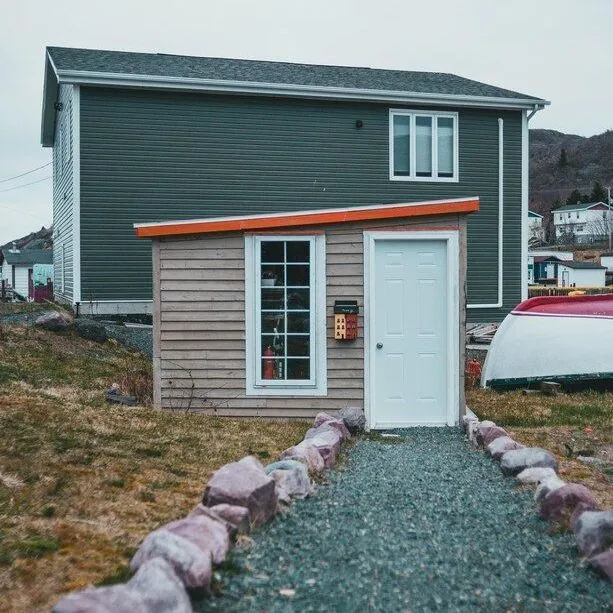
An accessory dwelling unit is a secondary residential living space built on the same lot as a primary single-family or multi-family home. It has its own living, sleeping, cooking, and bathroom facilities, making it a fully independent housing unit. While it shares the property with the main residence, an accessory dwelling unit is designed to function as a self-contained home.
ADUs go by several names, including granny flats, in-law units, backyard cottages, or secondary units. Regardless of the name, the purpose is the same: to provide additional livable space without the need to purchase a new property. In California, accessory dwelling units have gained popularity due to housing demand, evolving zoning laws, and the desire for multigenerational living.
For homeowners in Lodi, an accessory dwelling unit can be an efficient way to maximize property potential while contributing to the local housing supply.
Types of Accessory Dwelling Units You Can Build
There is no single design that fits every property. Accessory dwelling units come in several forms, and the right choice depends on your lot size, existing structure, and personal goals.
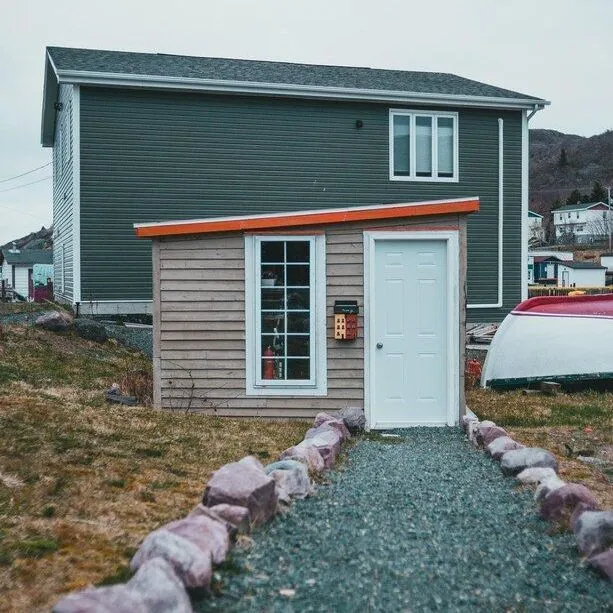
Detached ADUs are standalone structures built separately from the main house. These are often constructed in backyards and offer the most privacy for occupants. Detached accessory dwelling units are ideal for long-term rentals or guest housing.
Attached ADUs are connected to the primary residence, often as an addition to the side or rear of the home. They share at least one wall with the main house but still maintain separate entrances and utilities when desired.
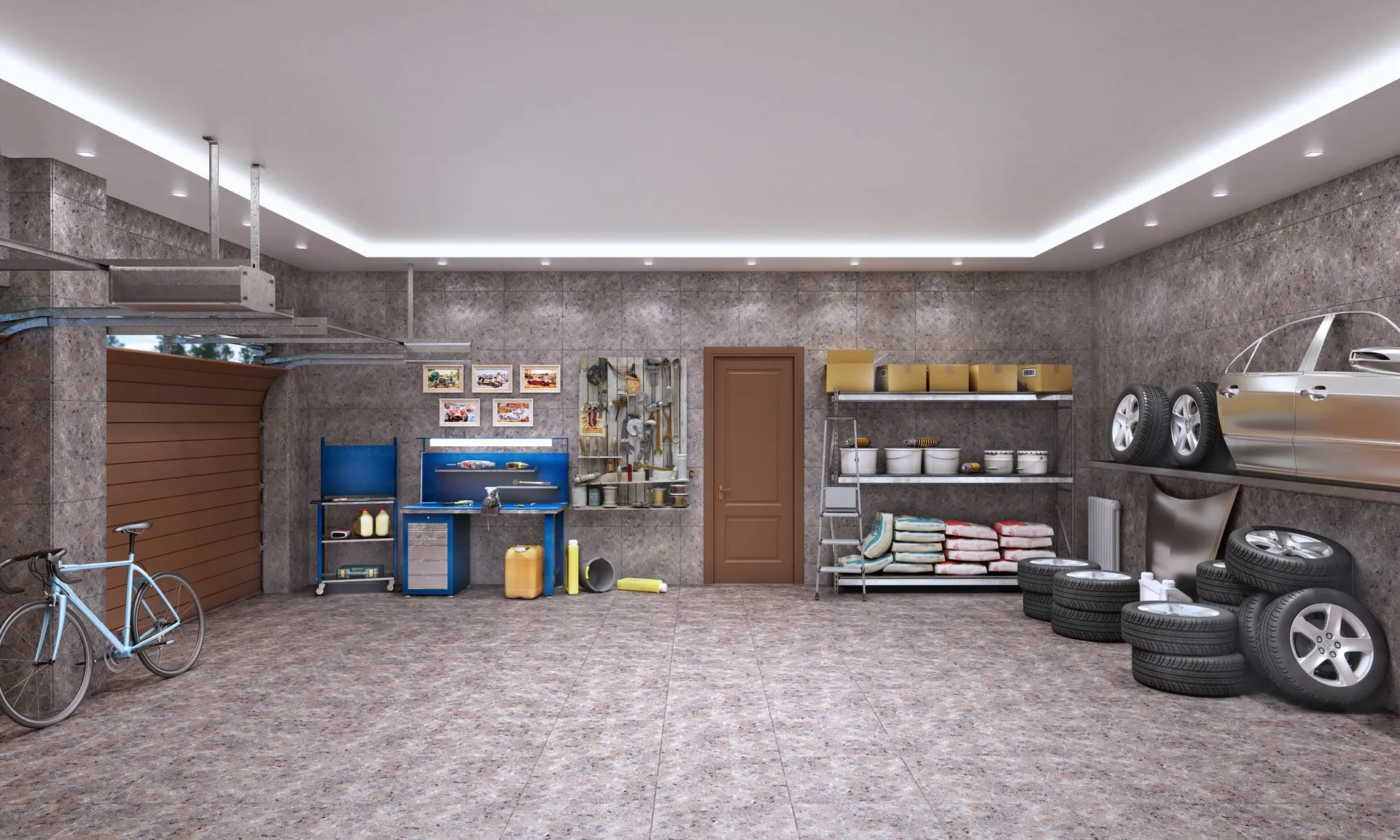
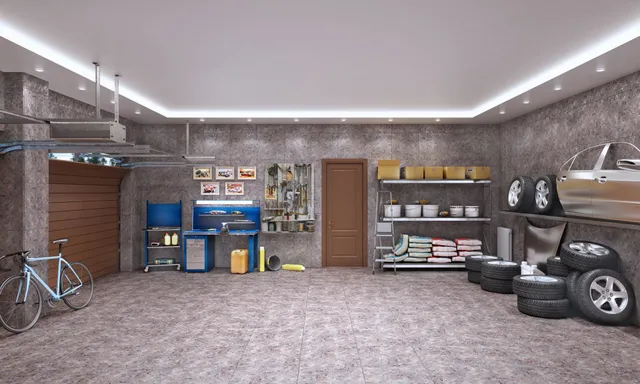
Garage conversion ADUs transform an existing garage into a livable space. This option is often more cost-effective since the structure is already in place. Many homeowners choose this type of accessory dwelling unit to avoid sacrificing yard space.
Junior ADUs, sometimes called JADUs, are smaller units created within the existing footprint of a home, typically by converting a bedroom or portion of the house. These units have size limitations but can be a great solution for extended family living.
Each accessory dwelling unit type comes with its own design considerations, construction requirements, and permitting processes.
Benefits of Adding an Accessory Dwelling Unit to Your Property
Building an accessory dwelling unit offers a wide range of advantages beyond simply adding square footage. One of the biggest benefits is rental income. Homeowners can rent out the accessory dwelling unit to generate steady monthly revenue, helping offset mortgage payments or fund future investments.
Another key benefit is flexibility. An accessory dwelling unit can house aging parents, adult children, or long-term guests while maintaining privacy for everyone. As needs change, the space can be repurposed as a home office, studio, or rental unit.
Property value often increases with the addition of a well-built accessory dwelling unit. Buyers in California frequently view ADUs as desirable features due to their versatility and income potential.
Accessory dwelling units also support sustainable development. By increasing housing density without expanding urban sprawl, ADUs make efficient use of existing infrastructure and land resources.
For homeowners in Lodi, these benefits make accessory dwelling units a practical and future-focused investment.
Zoning, Permits, and California ADU Regulations
Understanding regulations is one of the most important steps in building an accessory dwelling unit. California has made significant efforts to streamline ADU laws, making it easier for homeowners to build, but local guidelines still apply.
Generally, accessory dwelling units must meet size, height, and setback requirements. Utility connections, parking rules, and occupancy standards also factor into the approval process. While California law limits how restrictive local governments can be, cities like Lodi still have specific permitting procedures.
Homeowners must submit detailed plans, undergo reviews, and receive approvals before construction begins. Working with an experienced general contractor helps ensure that your accessory dwelling unit meets all building codes and zoning requirements from the start.
Skipping or misunderstanding these steps can lead to costly delays or redesigns. That is why professional guidance is critical when planning an accessory dwelling unit in California.
Planning and Building an Accessory Dwelling Unit
Successful accessory dwelling unit projects begin with careful planning. The first step is defining your purpose. Are you building for rental income, family use, or future flexibility? Your goal will influence design, size, and budget decisions.
Next comes site evaluation. A contractor will assess your property layout, utility access, and structural conditions to determine the best type of accessory dwelling unit for your lot. Design considerations include layout efficiency, natural light, storage, and privacy.
Budgeting is another key factor. Costs vary depending on unit type, materials, and site conditions. While an accessory dwelling unit is a significant investment, quality construction ensures long-term value and durability.
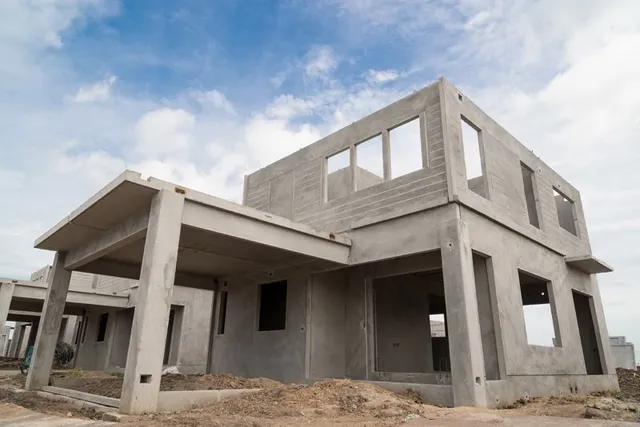
Finally, construction brings your vision to life. From foundation work to final finishes, each stage must meet safety standards and design expectations. Partnering with a reliable general contracting company ensures your accessory dwelling unit is built correctly, efficiently, and with attention to detail.
Work With TDK Construction Company to Build Accessory Dwelling Units
If you are considering an accessory dwelling unit in Lodi, CA, TDK Construction Company is here to help. Our team brings experience, craftsmanship, and local knowledge to every project. We guide homeowners through planning, permitting, and construction to deliver accessory dwelling units that are functional, compliant, and built to last.
Call
TDK Construction Company today at
(209) 210-7434 to discuss your
accessory dwelling unit ideas and schedule a consultation. We also handle
custom home building,
excavation,
concrete work, and
more. Let us help you turn your property into a smarter, more valuable space.
Frequently Asked Questions
What is the maximum size of an accessory dwelling unit?
In California, the maximum size typically ranges up to 1,200 square feet, depending on the type of accessory dwelling unit and local regulations.
Can I rent out my accessory dwelling unit?
Yes, most homeowners build accessory dwelling units specifically for rental purposes. Long-term rentals are generally allowed under California law.
Do accessory dwelling units require separate utilities?
Not always. An accessory dwelling unit can share utilities with the main house or have separate connections, depending on design and local requirements.
How long does it take to build an accessory dwelling unit?
The timeline varies, but most accessory dwelling unit projects take several months from planning and permitting to final construction.
Is an accessory dwelling unit a good investment?
For many homeowners, an accessory dwelling unit provides strong returns through rental income, increased property value, and long-term flexibility.
Share This Article
Our Latest Blog Articles

-1920w.webp)
-1920w.webp)

-640w.webp)
-640w.webp)